Freshwater fish come from many different environments, so there is no single set of perfect freshwater parameters. Choosing fish with compatible water requirements makes maintaining a healthy aquarium much easier.
At Barrier Reef, we generally group our most common freshwater aquariums into three useful categories:
- Tropical Community & New World Cichlids
- African Rift Lake Cichlids
- Livebearers
Important: These ranges are general starting points. Some species have more specialized requirements, so always check the needs of your fish when planning an aquarium.
Barrier Reef Recommended Parameters
| Parameter | Tropical & New World Cichlids | African Rift Lake | Livebearers |
|---|---|---|---|
| Temperature | 74–80°F | 78–82°F | 74–80°F |
| pH | 6.4–7.1 | 7.9–8.5 | 7.2–8.2 |
| GH | 3–10 dGH | 10–20 dGH | 8–20 dGH |
| KH | 2–8 dKH | 8–15 dKH | 5–15 dKH |
| Ammonia | 0 ppm | 0 ppm | 0 ppm |
| Nitrite | 0 ppm | 0 ppm | 0 ppm |
| Nitrate | Ideally <20 ppm | Ideally <20 ppm | Ideally <20 ppm |
Tropical Community & New World Cichlids
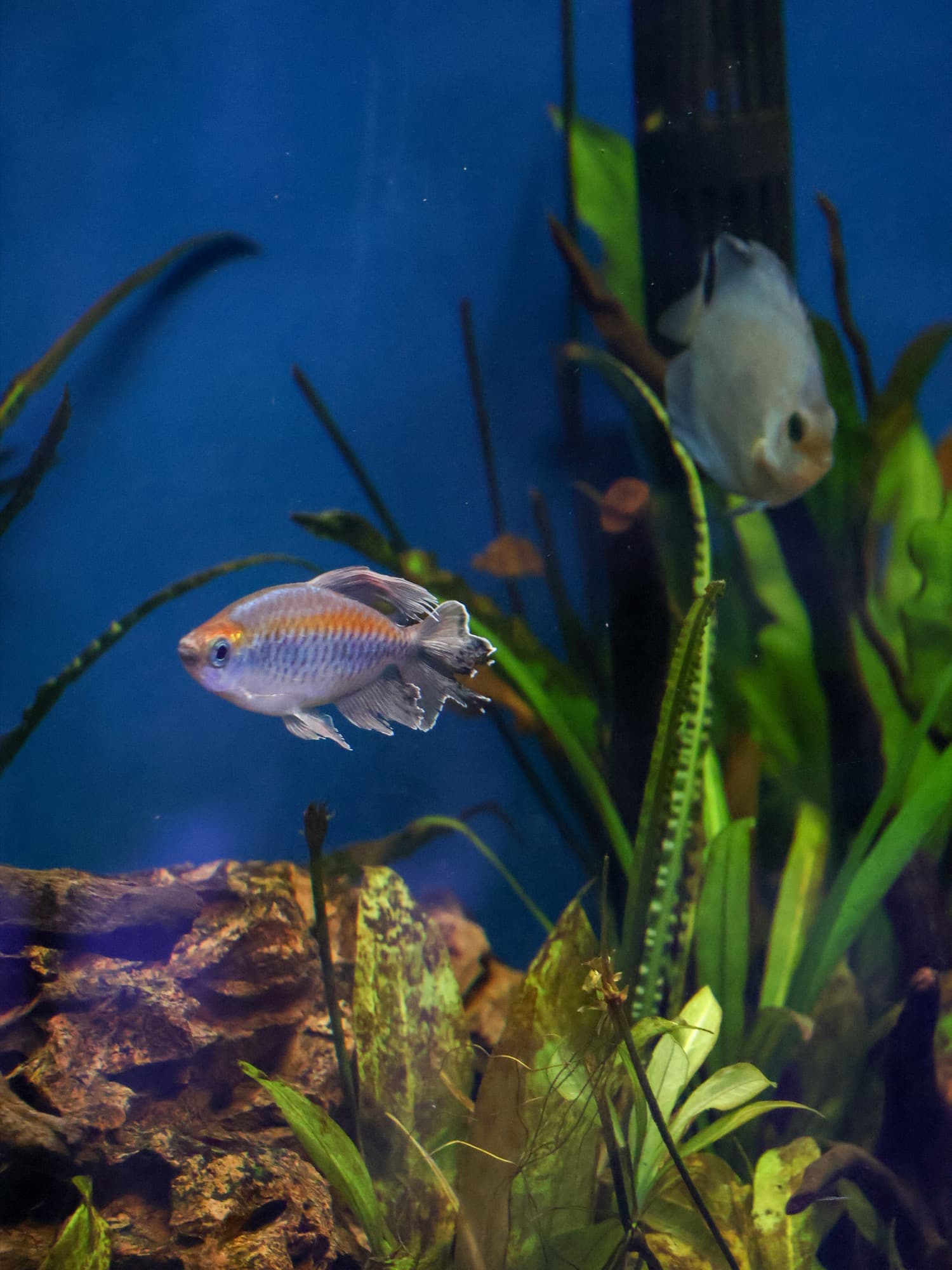
This broad group includes many freshwater fish commonly kept in tropical aquariums from Central and South America and Southeast Asia. It includes peaceful community species as well as larger and semi-aggressive fish with similar general water requirements.
Common examples include:
- Tetras
- Rasboras
- Corydoras
- Gouramis
- Angelfish
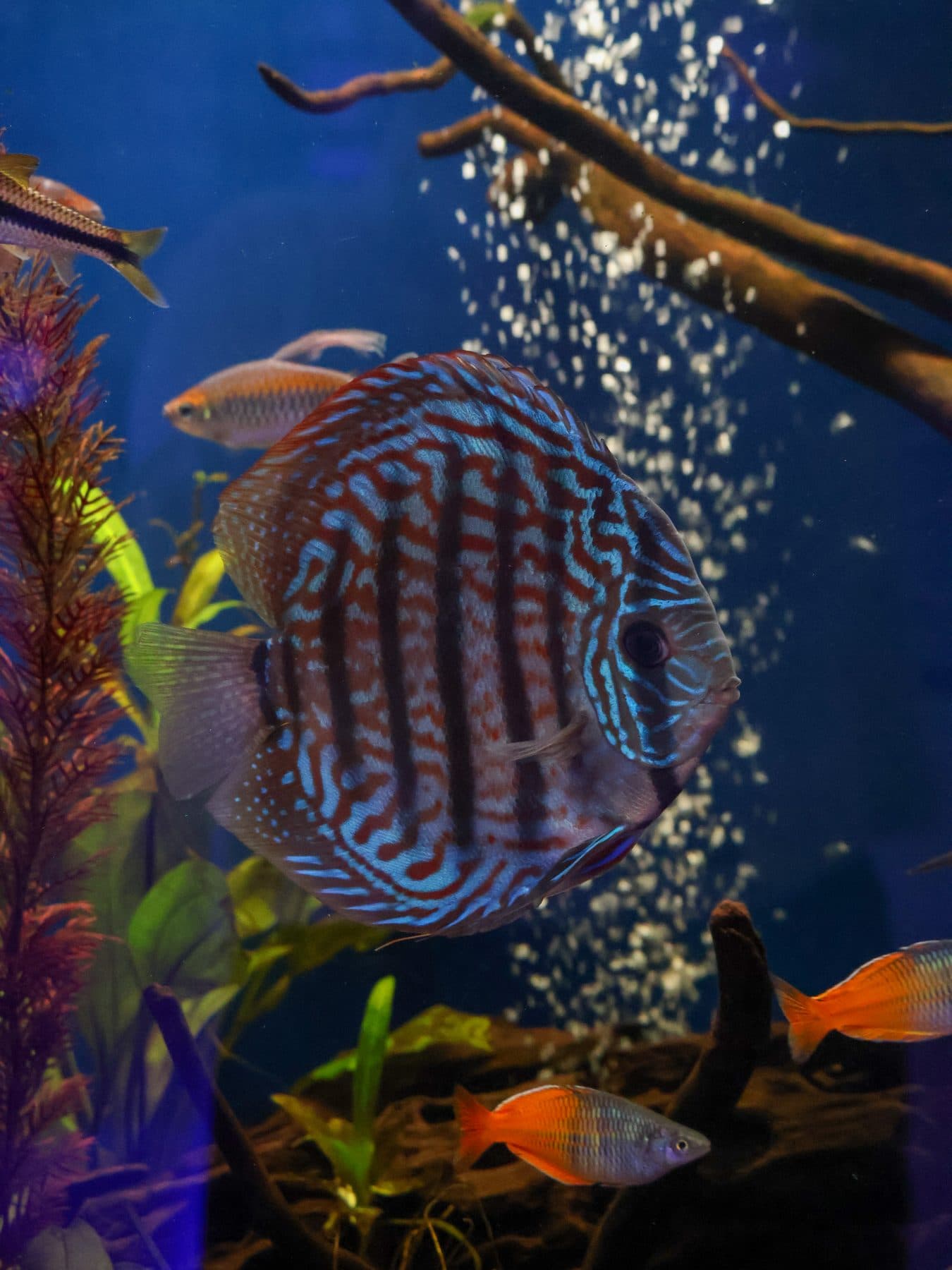
- Discus
- Dwarf Cichlids
- South & Central American Cichlids
- Plecos & Other Catfish
Barrier Reef Recommends
- Temperature
- 74–80°FpH: 6.4–7.1
- GH
- 3–10 dGH
- KH
- 2–8 dKH
- Ammonia
- 0 ppm
- Nitrite
- 0 ppm
- Nitrate
- Ideally below 20 ppm
Many fish in this group originate from relatively soft, acidic rivers, streams, and floodplains. At Barrier Reef, we generally recommend maintaining these aquariums around pH 6.4–7.1.
Some species require or benefit from even softer and more acidic conditions, particularly certain wild-caught South American species, discus, dwarf cichlids, and other specialized soft-water fish.
Not every fish within this category should be housed together. A tetra, angelfish, and large South American cichlid may prefer similar water chemistry while having completely different requirements for tank size, temperament, territory, and tankmates. Compatibility reminder: Always consider behavior and adult size in addition to water parameters.
African Rift Lake Cichlids
African Rift Lake cichlids come from mineral-rich, alkaline waters and require very different conditions from most tropical soft-water fish.
The aquarium trade primarily includes species from:
- Lake Malawi
- Lake Tanganyika
- Lake Victoria
Barrier Reef Recommends
- Temperature
- 78–82°FpH: 7.9–8.5
- GH
- 10–20 dGH
- KH
- 8–15 dKH
- Ammonia
- 0 ppm
- Nitrite
- 0 ppm
- Nitrate
- Ideally below 20 ppm
Barrier Reef generally recommends keeping African Rift Lake cichlids warmer, hard, and alkaline.
Adequate GH provides important dissolved minerals, while sufficient KH helps maintain the stable, elevated pH these fish prefer.
Some African cichlids—particularly specialized Lake Tanganyika species—may benefit from conditions at or even above the upper end of these ranges. Always check species-specific requirements when keeping specialized Africans.
- Habitat: Rockwork and caves are commonly used to create territories, hiding places, and visual barriers.
African cichlids can also be highly territorial. Compatibility depends on much more than water chemistry.
Consider: Species, adult size, aggression, diet, sex ratio, available territory, and stocking strategy.
Livebearers
Livebearers are colorful, active freshwater fish that generally thrive in harder, more mineral-rich and alkaline water than the tropical soft-water group.
Common examples include:
- Guppies
- Endlers
- Mollies
- Platies
- Swordtails
Barrier Reef Recommends
- Temperature
- 74–80°FpH: 7.2–8.2
- GH
- 8–20 dGH
- KH
- 5–15 dKH
- Ammonia
- 0 ppm
- Nitrite
- 0 ppm
- Nitrate
- Ideally below 20 ppm
Livebearers generally benefit from adequate calcium, magnesium, and other dissolved minerals in their water.
Very soft, acidic water is generally not appropriate for their long-term care.
Different livebearers still have individual requirements. Mollies, for example, generally appreciate particularly hard, alkaline, mineral-rich water, while guppies, platies, and swordtails can often adapt to a somewhat broader range.
Understanding GH & KH
GH and KH are both important measurements, but they tell us different things about your water.
| GH — General Hardness | KH — Carbonate Hardness |
|---|---|
| GH measures primarily dissolved calcium and magnesium. | KH measures the carbonate and bicarbonate buffering capacity of the water. |
| These minerals are important for normal physiological functions, growth, and osmoregulation. | Adequate KH helps resist sudden decreases in pH. |
| Soft-water tropical species generally prefer lower GH, while livebearers and African Rift Lake cichlids usually benefit from greater mineral content. | This is particularly important in African cichlid and other alkaline aquariums where maintaining a stable, elevated pH is desirable. |
Ammonia, Nitrite & Nitrate
Regardless of which freshwater aquarium you keep:
- Ammonia: 0 ppm
- Nitrite: 0 ppm
Both should remain undetectable in a properly established aquarium.
Barrier Reef recommends: Keep nitrate ideally below 20 ppm.
Increasing nitrate is often a useful indication that waste is accumulating and maintenance may be needed.
Good water quality is supported by:
- Regular water changes
- Appropriate filtration
- Careful feeding
- Sensible stocking
- Live plants where appropriate
Stability Matters
Avoid unnecessary swings: Do not constantly add chemicals simply to make your aquarium match an exact number on a chart. Stable water within an appropriate range is generally preferable to repeatedly changing the chemistry while chasing a specific pH.
If your source water differs substantially from the requirements of the fish you want to keep, talk with us before making major adjustments.
Barrier Reef can help determine whether different source water, buffering, remineralization, or another approach is appropriate.
Water Parameters Do Not Determine Compatibility
Similar water parameters do not automatically make fish compatible. Always consider:
- Adult size
- Temperament
- Territory
- Diet
- Schooling or social behavior
- Tank size
We’re here to help: If you're unsure which group your aquarium belongs in or whether a particular fish will thrive in your water, bring a water sample to Barrier Reef. We'll be happy to test it and help you choose fish suited to your aquarium.
Questions about your own tank? Bring us a water sample, a photo, or the animal.