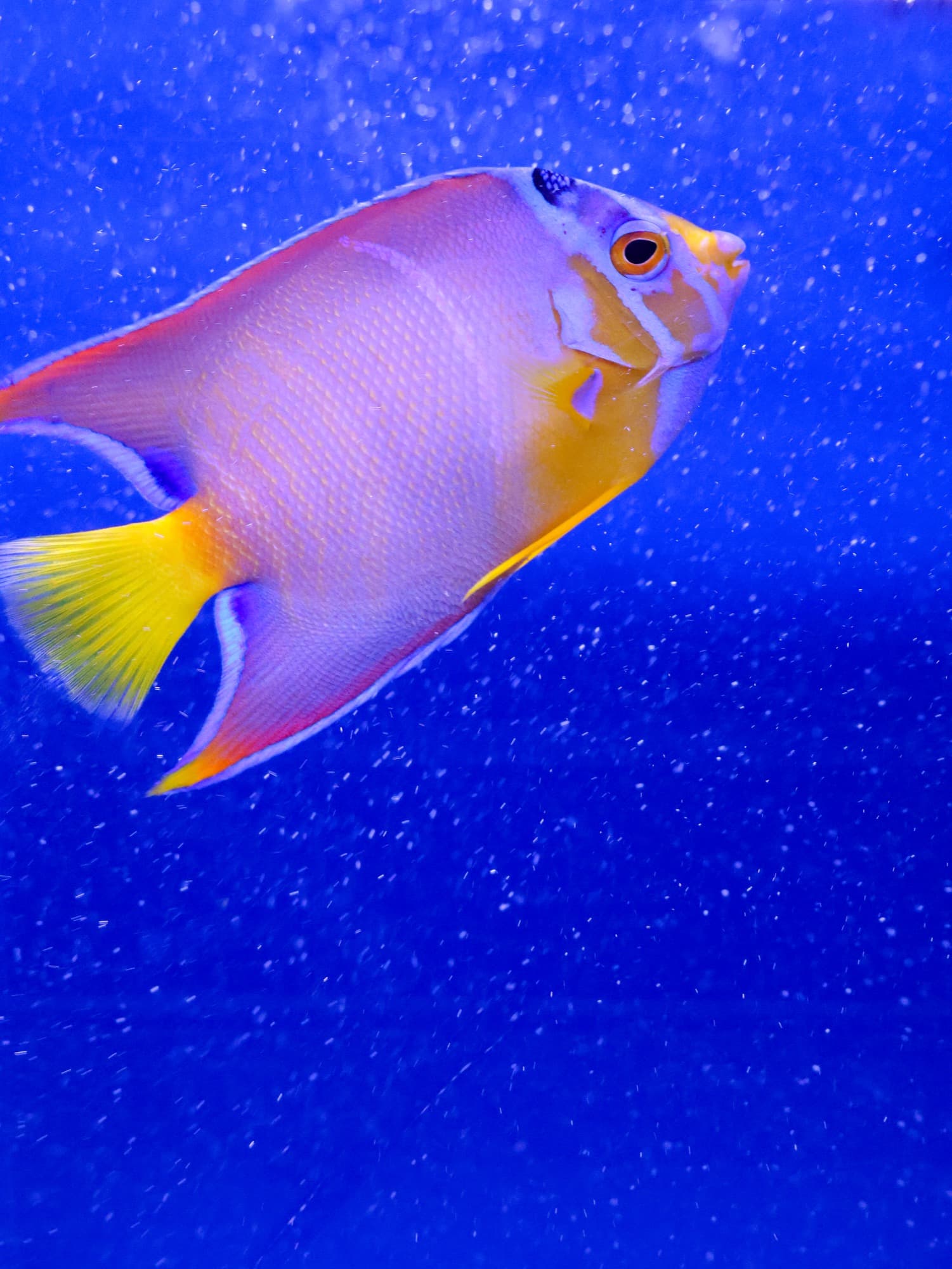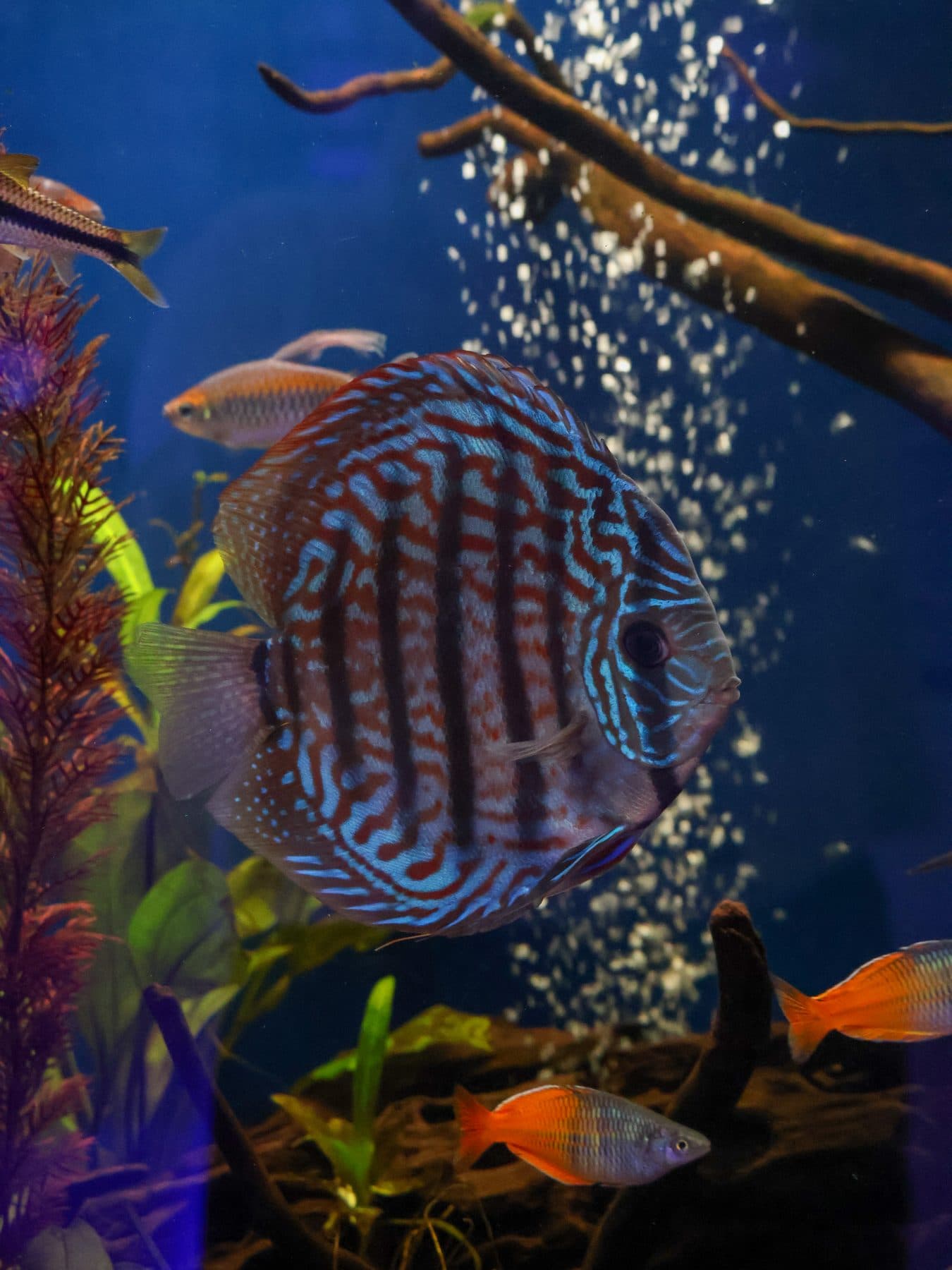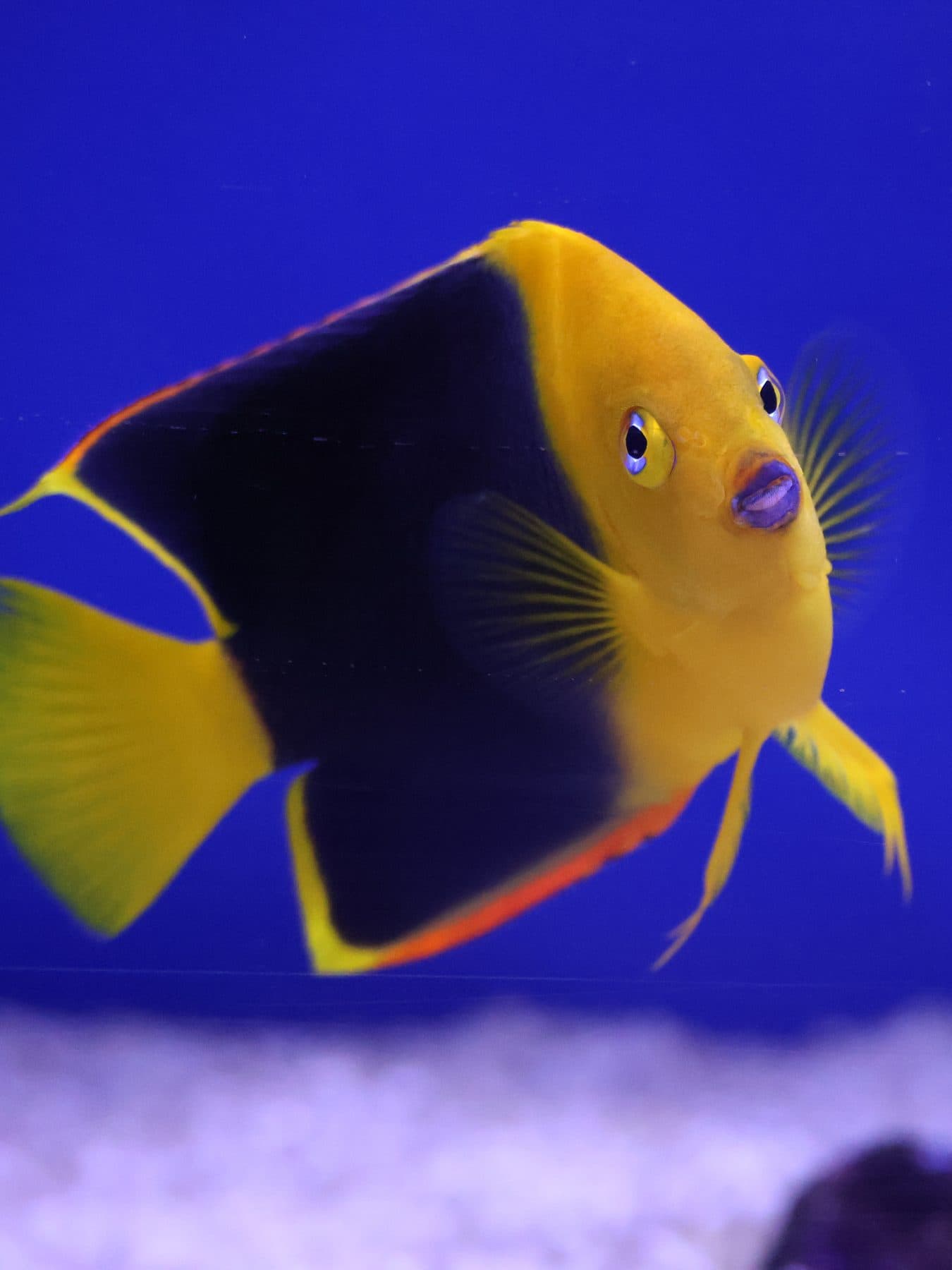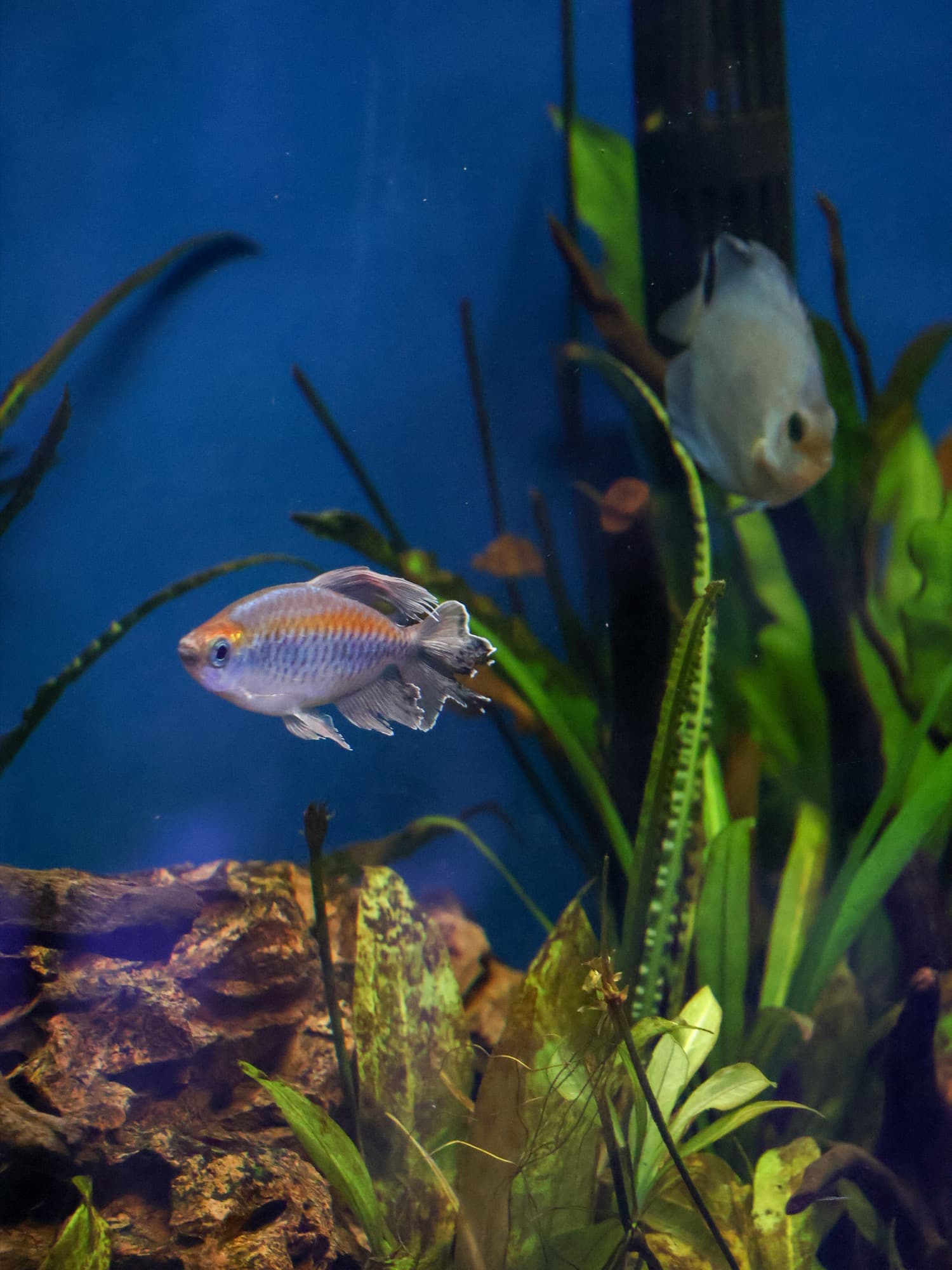
Bringing home a new fish is exciting, but moving between aquariums is also one of the most stressful experiences a fish can have because temperature, pH, salinity, hardness, and other water conditions may differ between systems. Acclimation means allowing the fish to adjust gradually to the conditions in its new aquarium.
Purpose and Preparation
Before adding a new fish, make sure the aquarium is ready for the species you are bringing home. Water parameters are the measurable conditions of the water, including temperature, pH, salinity, and hardness.
- Cycle the aquarium. Confirm that the aquarium is properly cycled.
- Test ammonia and nitrite. Both should be undetectable.
- Check the water conditions. Temperature and other water parameters should be appropriate for the species.
- Review the tankmates. Existing tankmates should be compatible.
- Confirm the aquarium size. It should be appropriate for the fish’s adult size and behavior.
Quarantine means keeping a new fish separate before adding it to an established aquarium. This is considered good aquarium husbandry and is recommended when possible.
At Barrier Reef, we take extensive precautions with the health of our livestock. Our fish systems use dual UV sterilizers, fish are pre-treated as appropriate, and all livestock is monitored daily by our staff. Fish showing abnormal appearance or behavior are not offered for sale.
Important Water-Safety Warning
Never add store or acclimation water to your aquarium. After acclimation, transfer the fish with a net or appropriate specimen container and discard all store and acclimation water.
Store and transport water can contain accumulated waste, microorganisms, medications, or other substances that you do not want introduced into your aquarium.
Special Notice for Saltwater Fish
Barrier Reef uses copper sulfate and other medications and antibiotics in designated saltwater fish-only systems as part of our fish health and parasite-management protocols.
Copper is used in aquatic medicine to control certain external parasites, but it is highly toxic to many marine invertebrates. Water from our saltwater fish systems should therefore never be added to a reef aquarium or any aquarium containing corals or other invertebrates.
Regardless of whether your aquarium is freshwater or saltwater, always discard store water after acclimation.
Standard Bag Acclimation
Standard bag acclimation is appropriate for many commonly kept freshwater and saltwater fish.
- 1Dim the lights. Turn off or dim the aquarium lights to reduce stress while your new fish adjusts.
- 2Temperature-acclimate the fish. Keep the bag sealed and float it in the aquarium for approximately 15 minutes to gradually equalize temperature.
- 3Open the bag. Open the bag and secure it so it remains upright.
- 4Gradually add aquarium water. Add a small amount of aquarium water to the bag, wait several minutes, and repeat. Continue gradually mixing aquarium water into the transport water so the fish can adjust to differences in water chemistry. For saltwater fish, differences in salinity are particularly important, and large differences should be corrected gradually.
- 5Transfer the fish. Once acclimation is complete, gently transfer the fish into the aquarium using an appropriate net or specimen container. Do not pour the water from the bag into your aquarium. Discard it after the fish has been transferred.
- 6Allow the fish to settle. Keep aquarium lighting low initially and give the fish time to find shelter and adjust to its new surroundings. Avoid heavy feeding immediately after introduction. Once the fish has settled, offer an appropriate food and monitor its response.
Drip Acclimation
Drip acclimation provides greater control over changes in water chemistry and can be particularly useful when there is a significant difference between the transport water and aquarium water.
You will need:
- A clean, aquarium-safe bucket or container
- Airline tubing
- A valve, clamp, or knot to control water flow
- A net or specimen container
Container safety: Never use a container that has been exposed to soap, household cleaners, pesticides, or other chemicals.
- 1Temperature-acclimate the fish. Float the sealed transport bag for approximately 15 minutes.
- 2Transfer the fish to an acclimation container. Carefully place the fish and transport water into a clean, aquarium-safe container. Make sure there is enough water to comfortably cover the fish.
- 3Start the drip. Run airline tubing from the aquarium to the acclimation container and begin a siphon. Adjust the flow to approximately 2–4 drops per second as a general starting point.
- 4Gradually increase the water volume. Allow aquarium water to slowly mix with the transport water. A commonly used method is to allow the water volume to approximately double, remove a portion of the water, and allow it to gradually increase again. The goal is to gradually bring important parameters—particularly temperature and, in marine aquariums, salinity—closer to those of the destination aquarium.
- 5Transfer the fish. Once acclimation is complete, gently transfer the fish into the aquarium with a net or appropriate specimen container. Discard all remaining acclimation water. Do not add it to your aquarium.
Freshwater Versus Saltwater Considerations
Freshwater fish: Temperature, pH, and mineral content or hardness can differ between systems. Fish moving between significantly different water conditions may benefit from a more gradual acclimation.
Saltwater fish: Pay particular attention to both temperature and salinity. Retail, wholesale, and quarantine systems may maintain fish at a different salinity than your display aquarium. If the salinity difference is substantial, a slower and more controlled acclimation may be appropriate.
A Note About Long Acclimations
Longer is not automatically better. Fish release waste during transport, and the chemistry inside a shipping bag changes while the fish is enclosed. Once the bag is opened, those conditions can change again. Fish should therefore not simply be left sitting in opened transport water for hours.
For fish purchased directly from Barrier Reef, follow the acclimation procedure recommended by our staff for that species. Animals that have undergone extended shipping may require a different acclimation procedure.
After-Acclimation Monitoring
Some hiding, subdued coloration, or reduced appetite can occur while a new fish adjusts. During the first 24–48 hours, monitor the fish for persistent or worsening signs such as:
- Rapid or labored breathing Loss of balance
- Persistent flashing or rubbing
- Clamped fins
- Visible spots, lesions, or excessive mucus
- Severe lethargy
- Aggression from tankmates
- Continued refusal to eat
If something does not look right, check your water parameters and contact Barrier Reef promptly.
Livestock Concerns
Barrier Reef does not guarantee livestock once it leaves our store. However, we want to know about any problems as soon as possible so that we can help determine what may have occurred.
Report any livestock concern to Barrier Reef within 24 hours of purchase.
For us to properly evaluate a livestock issue, the customer is required to bring:
- A sample of water from the aquarium in which the animal was placed, so our staff can test the water parameters
- The affected fish or its body, when available, so our staff can examine it for signs that may help determine the cause of the problem.
Please do not dispose of a deceased fish before contacting us if you would like our staff to evaluate the issue.
These requirements allow our staff to examine both the animal and its environment and provide the most informed guidance possible.
Questions about your own tank? Bring us a water sample, a photo, or the animal.